He tightened the straps on his backpack like he was lacing up for the fourth quarter. The counselor called names through a clipboard shuffle, sunscreen smelled like a hospital hallway, and my eleven-year-old gave me a look that was equal parts annoyed and delighted—half a kid trying on independence, half a kid still testing whether I’d bail him out. He said, very calmly, “Okay, Dad,” as if this was the natural next step in life and not a minor apocalypse for my chest.
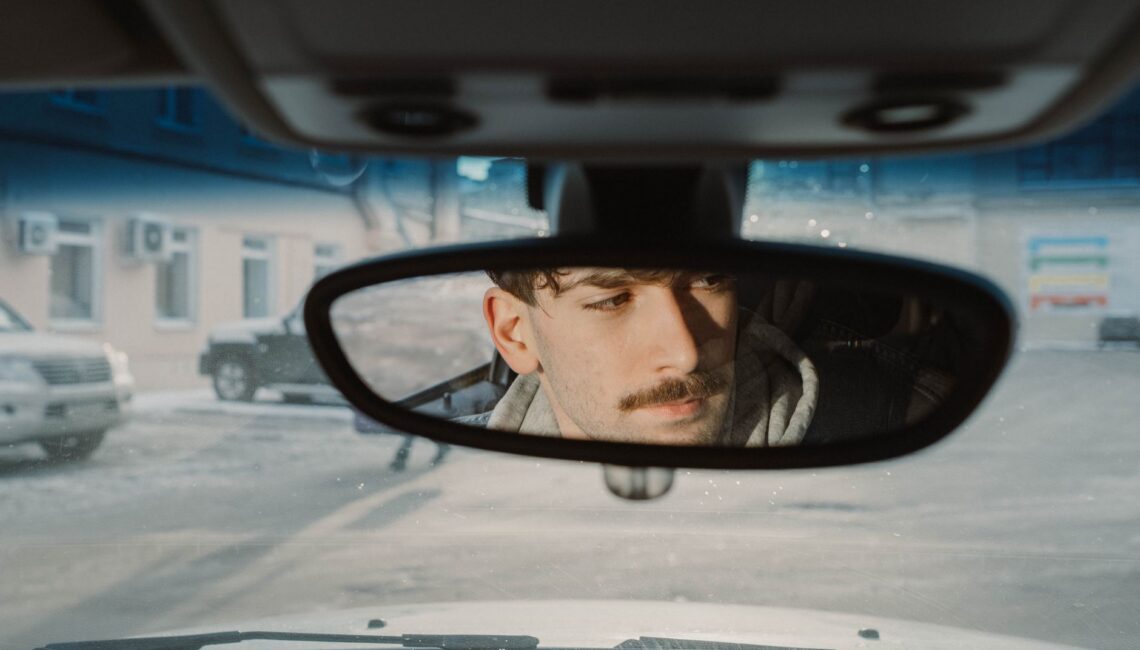
There was a hug that was somewhere between formal and affectionate—the one you give someone when you’re not sure whether they want it—and then he walked through the gate with a laundry list of gear bouncing off his shoulders. He waved so briefly I thought I’d missed the motion, and then the counselor herded the group toward cabins and the parking lot emptied of parents like a stadium after the half-time rush. I sat for a second, hands on the steering wheel, listening to the shouts and the tinny music from the camp speakers, feeling a tiny, persistent panic settle like a pebble under my tongue.
By the time I merged onto the two-lane road, that pebble had started to roll. My mind went through the checklist—did he have the right medications? Did I pack the camera? Did we really remember the swim shirt? Conversations I’d had with him all week popped back up like missed stones in a pond. Did I say the right thing about being brave? Did I say too much? The small ridiculous things ballooned: what if he hates it, what if he meets someone mean, what if he spends the week missing home and calls in tears at 2 a.m.?
Driving home is where the internal commentary stages its little matches. The radio said something upbeat that I couldn’t focus on. I found myself talking to the empty passenger seat, arranging words I wanted to have used but hadn’t. I thought about my dad, the version of masculinity I’d inherited: stoic, practical, hands that fixed things. He dropped me off at camp once—hell, maybe twice—and then he left and that was that. I remember carrying my sleeping bag like armor, trying to be big, and also wanting a flashlight and someone to check under the bed. There’s a lineage to this—how we let our kids practice leaving, how we discover the shape of ourselves in the hole they make when they go.
I used to train in sprints and lifts, used to measure time in reps and PRs. Parenting is nothing like that schedule. It’s intervals of intensity with long, unclear recovery periods. You prepare, you coach, you shout from the sideline, and then—if you’ve done your work—it’s mostly silence. The silence kept translating into anxiety: had I coached him enough? Was I still the guy who could help him read the map when the trail forks, or was I becoming a spectator of his competence?
Halfway home the panic softened into something more articulate. I remembered how he packed his own bag the night before—careful, slightly methodical, with a list he’d written and checked off. I remembered him folding his camp T-shirt into a tight rectangle and sliding it into the top pocket, like an athlete tucking the jersey into a waistband before the whistle. That small act landed harder than I expected. Here’s a kid who’d practiced a bunch of tiny adult things on me: he’d practiced making his bed, warming his own cereal, apologizing without being prompted. He’d practiced standing alone.
Being an involved father has taught me how quickly the scoreboard changes. There are days I win—coaching a skill, making time for a practice, catching a bad grade early—and others where I feel like I’m fumbling a handoff. Today, the win wasn’t dramatic: it was him saying the right things to the counselor, carrying the heavy cooler without complaining, actually hugging me back. Those small wins accumulate into confidence. The panic, which had felt like an honest alarm at first, was really a remnant of my own ego trying to reroute control.
There’s a strange humility to this stage with a tween. He’s not a child tucked into sheets anymore, but he’s not an adult who can navigate everything alone. He’s an athlete who’s learning to run plays without the coach barking from the sideline. My instincts are to correct, to instruct, to set up drills that guarantee success. But part of being a father now is holding the stopwatch and then letting it click on without me. I want him to know how to fall and get back up without my hands intervening too early.
About a mile out of town, I caught myself chuckling at something he’d said—an offhand joke about the camper named “Tank” who lost his marshmallow and the way my son’s eye roll signaled that he was already trading barbs like a veteran. The laugh opened a space where the panic no longer fit. I realized I wasn’t in danger of him forgetting me; I was in danger of forgetting the pleasure of watching him grow. There’s a greedy part of me that wanted one more minute of his stickiness, one more question about his shoes. But there was also relief—pure and plain—like air after holding my breath for too long.
Relief surprised me. It wasn’t the triumphant kind you get after winning a match; it felt quieter, like landing a heavy set and feeling the muscles release. Maybe it’s the athlete in me relaxing after a hard effort, or maybe it’s the father in me recognizing that this was exactly the point. He needed a week of being his own person, and I needed proof that he could do it. Watching him walk away was a blind test I’d passed without even knowing I’d been graded.
Of course, the drive amplifies small things. I replayed the hug, the way he sighed and then turned toward the cabins. I wondered whether I’d miss him so much tomorrow that I’d show up at the gate like some extra coach nobody asked for. I promised myself—to no one in particular—that I’d text check-ins that weren’t interrogations, that I’d resist calling every evening just to make sure his voice sounded okay. It strikes me as funny: anxiety wants to fill the vacuum with motion. The important work is to sit with the quiet and not mistake it for trouble.
I pulled into the driveway and sat there a beat longer, engine idling, as if pausing could stretch the moment and let me hold both the panic and the relief at once. Parenting has become a rhythm of letting go and staying alert, a long practice in loosening the grip while keeping the watch. He’ll come back sunburned or glowing or bored and taller, and I’ll measure those changes like an athlete measures progress—tiny increments, stubbornly real.
For now, the house smells like the after-echo of a weekend we haven’t lived yet. I step out and pull my phone from the cup holder, thumb hovering over a text that’s both banal and heavy: Have fun. Be kind. Call if you need anything. I hit send and the little blue bubble leaves like a paper plane. That’s the best I can do for today. I drove away with a lightness I hadn’t expected, which felt like the right mix of pride and wary relief—an odd, satisfying kind of win.