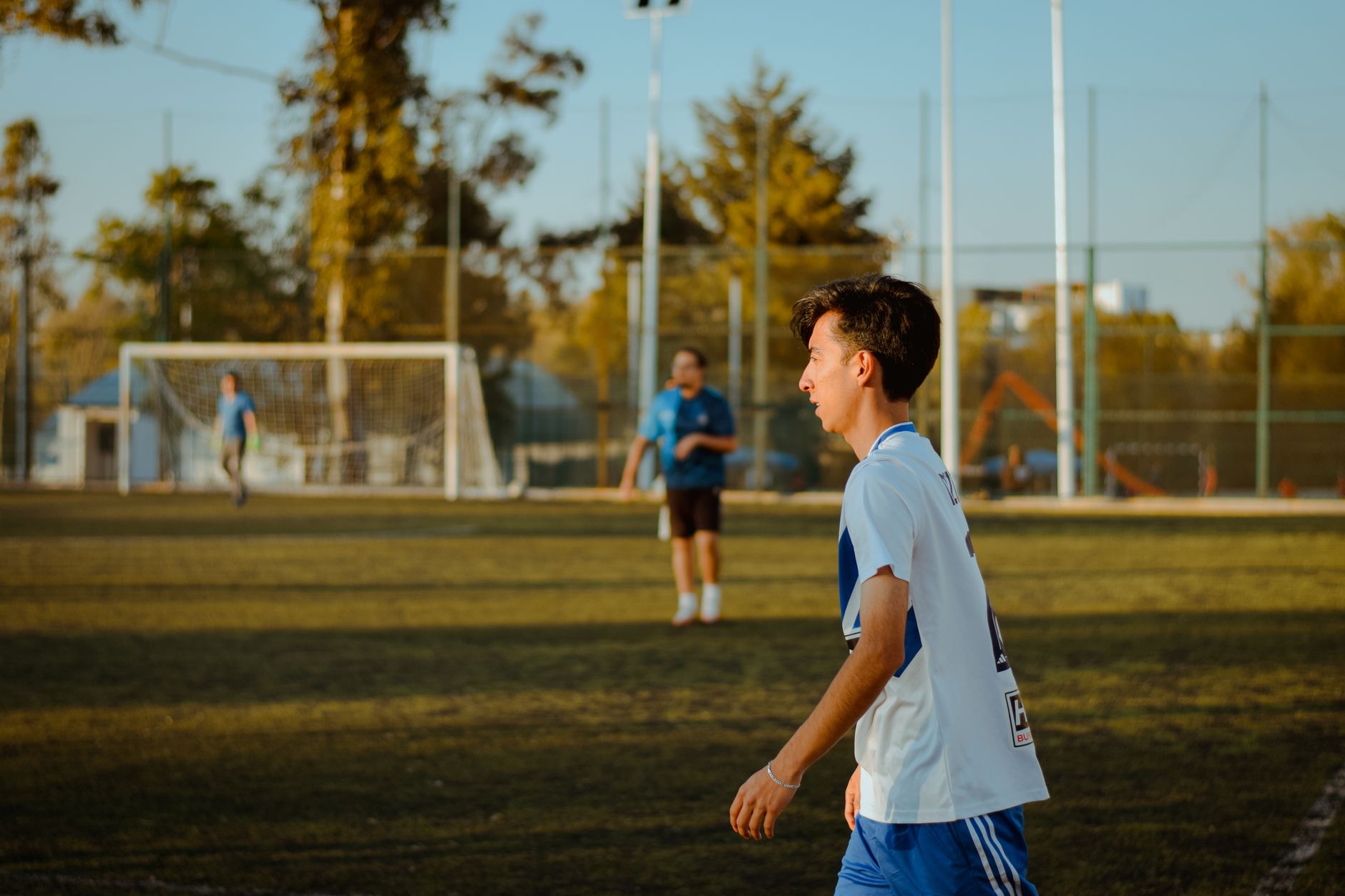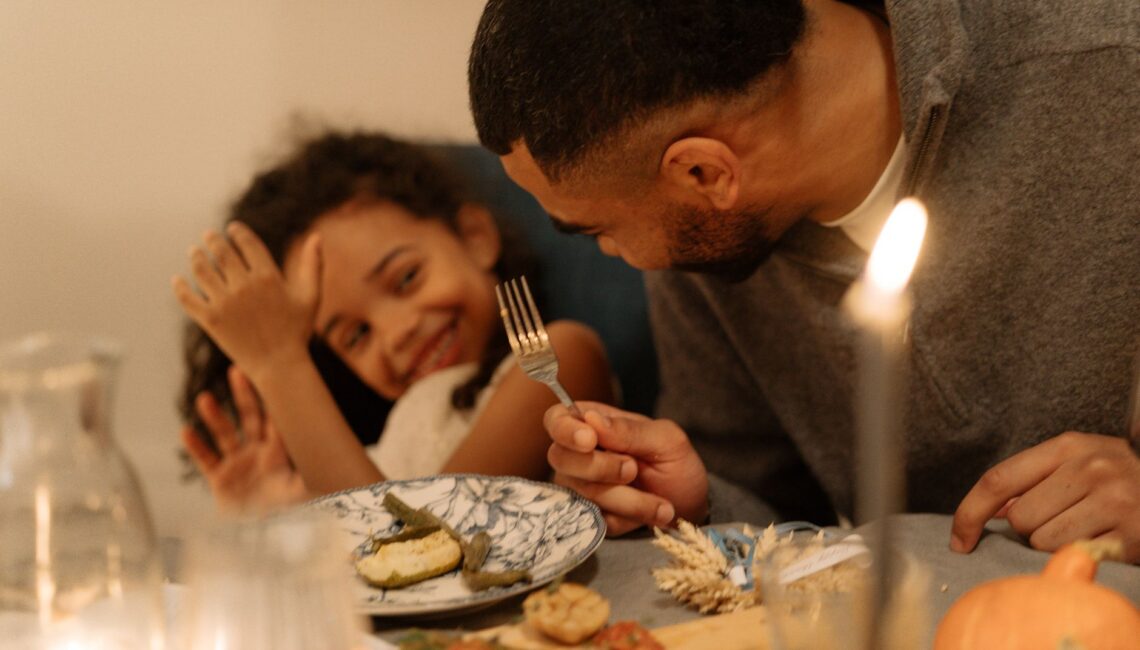
We were gathered around the table, plates piled high with spaghetti and the scent of garlic filling the air, when my daughter let loose a comment that echoed in the corners of my mind long after the meal was over. “Dad, do you think you were a better soccer player than the ones on my team?” The question came casually, but it felt like a sudden tackle—unexpected and electric, flipping the usual family banter into something deeper.
It wasn’t just a question; it was a cue for reflection. I chuckled, deflecting as I had been trained to do, throwing back a playful “They’ve got a lot of training to catch up with me!” But even through the laughter, I felt that nudge of gratitude—gratitude for the simple, honest way she sought my perspective, how easily she trusted me to dissolve the tension of competition with the warmth of our shared history.
After washing up, my family drifted off to their respective corners of the house, and I found myself out on the back porch, the night whispering around me. I lit a cigarette, the smoke curling into the brisk air, and replayed our dinner conversation in my mind. It was strange how this kid—this person I had a hand in raising—could draw me back into my own past like a coach giving a halftime speech yet again. I remembered the sweat, the triumphs, the failures, and how I’d tried to measure my worth against those of my teammates. I recalled the days when playing a single game often felt like the end of the world, and here I was, now just a guy trying to connect his high school glory to the spastic joys of youth soccer.
And that was the duality, wasn’t it? As I infused my careful encouragement into her budding aspirations, I felt the sweet ache of nostalgia mix with a sharp frustration—frustration that my past was all tangled up with her present. It was a tug-of-war between the competitive spirit I’d built around my own identity and the realization that her victories wouldn’t define me. The desire to showcase my prowess, to tell tales of glory, clashed with the need to listen, to let her carve her own path and narrative free of my shadow.
What caught me off guard was the way she opened the door to this conversation—her unfiltered inquiry laid the groundwork for vulnerability I didn’t know we were capable of sharing. There I was, proud of my own fatherhood for a brief moment, yet simultaneously overwhelmed by the daunting task of navigating her journey. I’ve often thought of parenthood as coaching—setting drills, offering guidance, some tough love peppered in for good measure. But—damn—a coach doesn’t just teach; he learns, too. She made me realize there’s a lesson in her casual confidence, a gentle reminder that I wasn’t just a father; I was also a student in this exchange.
Back on the porch, the last remnants of twilight flickered away, leaving me with the gentle hum of cicadas as my only company. I took a deep breath, allowing the night air to fill my lungs. I felt gratitude not only for her innocence but for the way she had innocently shifted my perspective. I chuckled to myself, thinking about how absurd it was to feel pride and confusion at the same time—pride that my daughter could articulate what she needed from me, confusion over how to continue nurturing her in this ever-changing game of life.
As I wrapped my head around it, I found joy in the uncertainty. The unfiltered moments shine brightest when darkness surrounds them. Perhaps it’s not about being the best, the most seasoned coach in the room. Maybe it’s about understanding that every question she tosses at me is an opportunity to grow together, to foster a relationship where we maneuver through the chaos with a balance of strength and grace. I found myself smiling for no reason at all, realizing that in this wild game of fatherhood, the unexpected passes are often the most meaningful plays.