We were in the parking lot outside the student union, the sun flat and low like it was trying to make everything look softer than it felt. I was doing what I always do when I’m nervous—coaching. Not quietly. Not gently. Old habits: sharp hands, clipped sentences, drill-sergeant posture. I was giving her the set piece for the interview she had in twenty minutes. The handshake, the opening line, the anecdote about the late-night project that made her sound hungry and focused instead of exhausted.
She stopped me mid-sentence. There was a look—half apology, half warning—and then she chose her own words and soft-pedaled my cadence until my voice sounded like an echo of someone else’s practice. She told me she didn’t want a script. She told me she wanted to try it her way. I said something defensive, she said, “Okay, Dad,” and got out of the car with a breath that was small and loud at the same time. The door closed. The campus swallowed her up. My forehead went hot. My chest did that old, athlete-thing: immediate shame, the same spike you get after a missed free throw when the crowd is quiet and you can only hear your own shoes squeak on the court.
I felt like a coach who’d lost the locker room in one sentence. It wasn’t some dramatic blow-up—no slammed decisions or wild words—just the terrible, grinding realization that I had turned a moment that should have been helping into a pressure test. She deserved better. I deserved better. We both deserved better. Then I sat there for a second, like a guy replaying a bad match, and drove away.
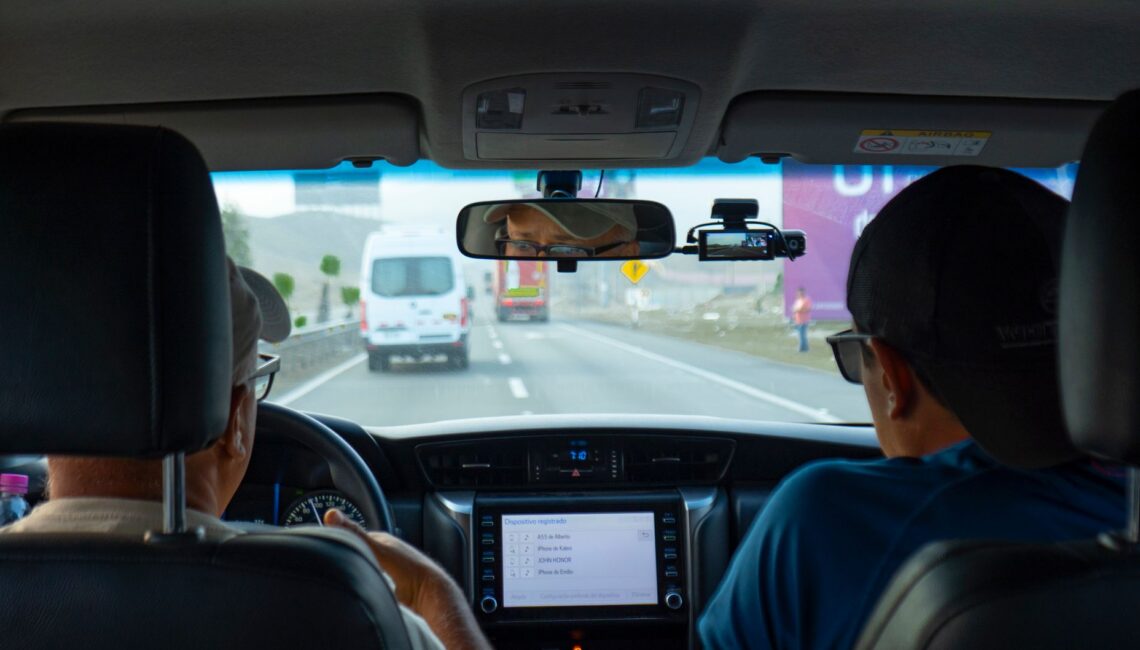
The drive home is where the replay lives. Miles of red lights and highway hum become a metronome for your brain, a place to watch every frame over and over. I kept thinking about my father—how he would have coached, how he would have doubled down. I kept thinking about how I prided myself on being a fixer, a trainer, the guy who could iron out a flaw with a drill or a drill-sergeant voice. Halfway through the third repetition of the exchange, my rearview caught something I didn’t expect: her sitting on the curb by the student center, a small figure with her knees up to her chest, phone in both hands, head tilted down.
She wasn’t angry. She wasn’t crying. She was muttering. Not a call or a text, not a pep talk to a friend—she had her phone to her ear like you would a microphone, and she was talking into the voice-memo app. Her lips moved in a cadence I recognized, but it wasn’t mine. There were pauses that felt deliberate, like she’d learned them from teachers and M.F.A. students and late-night storytellers—not from me. She was rehearsing aloud, not imitating my bark but shaping the sentences the way a runner finds stride: small adjustments until the rhythm lands right.
It was such a small thing. The tilt of her head, the way she sucked in air before an answer, the tiny smile that crossed her face when a phrase landed like a good handoff. My first, stupid reaction was to feel ashamed again—ashamed that my coaching had been unnecessary, that I’d been loud where she needed quiet—but the dominant feeling that settled in was something softer: a kind of awe that was quiet and inward, the way you feel watching someone lift a weight you taught them to lift and then, for the first time, make it their own.
What surprised me wasn’t that she could do it—of course she could—but the way she chose to. It wasn’t performative. Her voice wasn’t volume; it was spacing. She folded words into pauses the way an athlete folds energy into a surge. A slight pause for emphasis, a breath long enough to let a thought land, a trimmed sentence that left the listener filling in the edges. It was composition, not repetition. She’d heard my drills and my metaphors and had quietly catalogued them, discarded the ones that felt loud, kept the ones that hummed, and rewired the rest into something that belonged to her chest.
I pulled off at the next exit to get gas because that felt like something to do. The man at the pump—an old teammate from my high school days who still had the crease in his jaw like he was permanently bracing for a sprint—made a crack about parenting that landed half funnier than intended. I smiled and nodded and wanted to tell him everything: how coaching had misfired, how she had walked away, how in the rearview she taught me something about tone I’d never learn in a gym or a locker room. I didn’t say any of that. Instead I washed my hands with cheap gas-station soap, let the scent of lemon-and-sweat sink in, and thought about pauses.
Sport taught me a few immutable things: preparation matters, repetition teaches muscle memory, and if you don’t put in the work you don’t get the result. Parenting keeps teaching me another set: none of that matters if you forget the person behind the performance, and the best thing you can do sometimes is step back. It’s such a small distinction—helping until you’re helpful, coaching until you’re overcoaching—but it’s the difference between a pep talk that lands and a pep talk that bludgeons. It’s the difference between the kind of win you put on a scoreboard and the kind that changes someone’s internal rhythm.
As I drove the rest of the way home, the highway a pale thread into dusk, I kept replaying the tiny rehearsal. I imagined her in a room full of chairs and fluorescent light, phone tucked away, voice that same soft, deliberate thing she’d practiced on the curb. I imagined a panel of people listening, leaning in to the spaces she left open, filling them with their own curiosity. In my head I could see the interviewers nodding, not because of anything I taught her, but because of the breathing she did between sentences. It felt like witnessing a quiet skill being born. Not dramatic. Not a highlight reel. Just the small craftsmanship of someone shaping themselves.
There’s a self-congratulation that would be easy here: that somehow my messing up taught her to be self-sufficient. That’s generous and a little dishonest. The truth is messier: I ruined a moment and she fixed it without me. I was both proud and small. I was old-coach embarrassed and young-fan in awe. The drive home didn’t solve anything. It only gave me a lookout post from which to watch her keep walking toward where she wants to be—sometimes tripping, sometimes rehearsing on the curb, mostly doing the steady, private work that actually matters.
I pulled into the driveway and sat there a second longer than necessary, engine ticking, my hands on the steering wheel feeling like a man who’d just been taught a new play by his kid. I didn’t practice lines or make a list of things I’d do differently next time. I just folded the image of her—phone like a microphone, pauses carved clean between sentences—into my chest and let it sit there: a small, quiet proof that she was moving forward on her own terms. That’s a rare thing, and right then, it’s enough to make me feel like an old athlete who finally understood that sometimes the best coaching is learning to shut up and let the game happen.