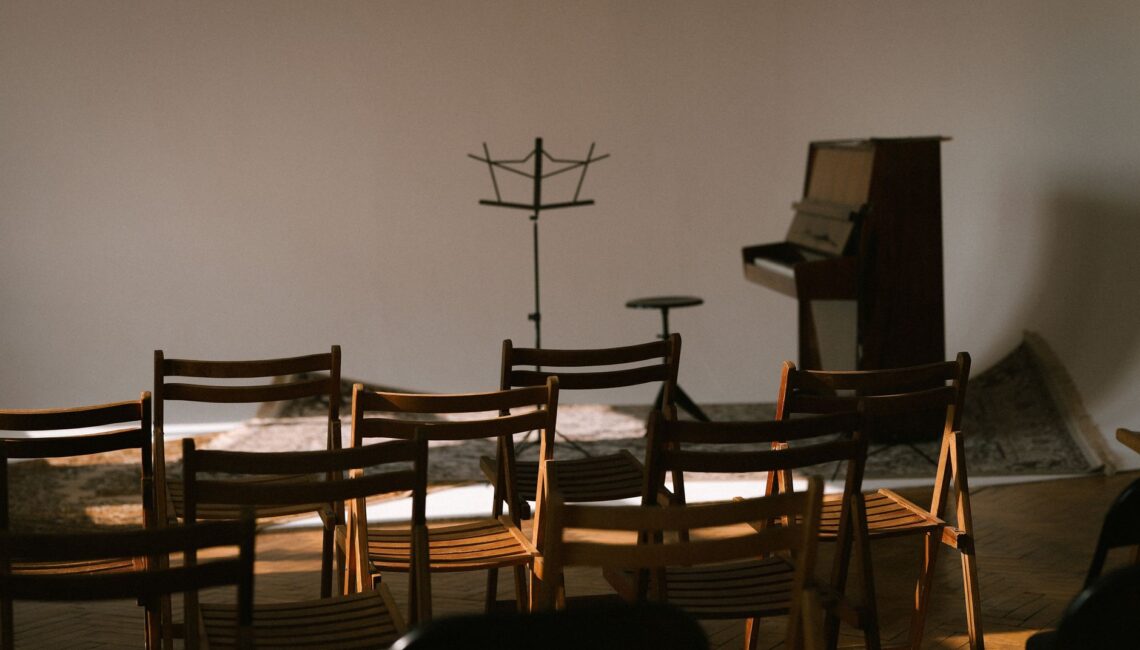
I sat there with the engine off, headlights painting the cracked driveway in a long, soft rectangle, program folded in my lap like a little map of the future. Through the windshield the marquee threw its warm, theatrical glow; through the side window I could hear the muffled swell of warmups, a piano tuning three rooms over. My keys were still in my hand because I like the motion of them, the weight between my fingers, something to do while I pretended to breathe slower.
Tonight’s name was in the program: their name, adult and line-broke properly like a headline. It is weird and not-weird to see the person you changed diapers for printed in a schedule with cue times and interpretive notes. I could have walked away and missed an entire movement, but the driveway is where the rest of the show happens for me—quiet, private, the place where memory catches up before applause or disaster. I sat there, fifteen minutes before curtain, feeling—oddly—already nostalgic for chapters that haven’t actually closed yet.
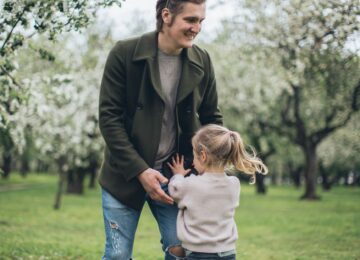
There’s a specific kind of nostalgia that arrives early with kids who cross the eighteen threshold: a premature obituary of smaller versions of them. You begin mourning the miniature things before they’re fully gone. So I found myself cataloguing in the blink between my blink and the house’s doorknob—first shoes that squeaked, that stubborn little streak of toothpaste he always managed to flick onto his sleeve, the unbearable pride of him standing on a tippy step to reach the bathroom sink. The recital tonight shoves all of that forward with a blunt force. It’s the same throat-tightening pride as watching a teammate hit the game-winner, except this time the trophy is time and you don’t get to hoist it.
I used to measure a win by reps, by data, by the scoreboard. I still scan a practice room the way I used to scan a gym—looking for effort, for focus, for the small ritual that separates preparedness from panicking. Watching a kid grow into their art is similar: relentless practice that looks boring until, in one jagged stretch, it isn’t. But the stakes are different when the kid is a person who votes and texts you back and is capable of leaving the state. Losing that stupid control is part of the grief I feel while the oven is still hot.
There’s a weird competitiveness in me that learned early how to manage its bruises. I recognize that same look in their jaw when they count off a difficult bar—calm determination that used to be the bedrock of my athletic life. I’m proud in an unfair, hungry way, like some part of me still thinks the win is mine by proxy. Do I have the right to feel like I’m up on the roster because they’re on the stage? Of course not. But then, parenthood is largely unauthorized emotional fees charged against your future comfort.
Back in the driveway I thought about the logistics of it all. The van that used to be full of cleats and water bottles has graduated to a Honda with an aux cord and a Spotify playlist labeled with more obscure composers than any football coach would permit. The laundry now includes concert attire with collars and creases instead of mud-splattered jerseys. The transition is a thousand small admin changes wrapped in the same heartbreaked ribbon: he’s not a kid who needs me for every ride, but he still likes me to be the one who shows up.
Do you ever get used to the way your timeline skips like a scratched record? One moment you’re teaching them to tie shoes with the patience of a man rattled by deadlines; the next you’re rehearsing how to nod without looking like you’re trying to conduct emotion from the audience. The driveway allows for that pause. It’s where I rehearse the version of myself that will sit through the whole piece without asking, “How are they doing?” every thirty seconds. It’s also where I admit, to myself, how much the answer still matters.
There’s a practical humility to this stage that my athletic years never taught me. On the field, mistakes are catalogued, corrected, forgotten. In the auditorium, mistakes become part of the piece. A missed note isn’t a blown play but an accent, a human hand that smoothes the polish. That doesn’t make the flinch of worry smaller; it reframes it. I find myself wanting both: to protect and to let go. To be the guy in the stands with an unwavering presence, not a hovering shadow. To applaud the resilience that practice builds, even when I want to bruise the world a little for the hardships they’ll have to meet.
My phone buzzed with a text from him: “Backstage in two. Kill it, Dad.” Kill it. The language sits weirdly on my chest—competitiveness ordering me to cheer, tenderness instructing me to hush. I smiled anyway, the muscle remembering old plays: thumbs fly, a curt reply that is steady but not fawning. We have these compressed exchanges now—one-liners that carry a lot of freight. I think of how many late nights and early mornings were hoarded into those small messages: rides home from rehearsals at midnight, broccoli-flavored days trying to keep energy up, my own work collapsing into pockets between carpools.
That mixture—sacrifices that feel invisible and the small, glowing proof that they mattered—makes the nostalgia murky. Am I already missing the toddler who slept with a dinosaur under his arm? Yes. Does that mean I still want to hold his hand across the street? Sometimes. But mostly it just means I understand the value of showing up. The driveway is where the show and life intersect: where you can still choose to be present in the scene while letting the scene take center stage.
There’s no tidy moral here, no neat closing tag. The car’s interior heater hummed as I sat in the warm, late-spring quiet deciding whether to stand and walk toward the lights. I could stay and keep collecting private memories like a man piling the good gear into a bag for next season. Or I could shut the door and go inside and be the audience member I promised to be. Either way, the nostalgia would keep arriving early, a courteous thief that picks your pocket before you even notice it’s gone.
I folded the program along the crease with the same small deliberateness I’d once used to fold laundry. I put the keys back in the ignition and then removed them again because the motion still steadied me. There’s a peculiar bravery in sitting still when the world expects you to perform steady support without collapse. I blew out a quiet breath and kept it that way—a pause long enough to be honest with myself: I am proud, and I am not finished learning how to let go.