He was on the linoleum like a tiny defensive tackle—knees spread, chin jutting, chest puffed out—clinging to a squeaky plastic car he’d picked off the floor at the pharmacy. I said no. He said no harder. The noise rose faster than I did: the public kind of wail that pulls other parents’ eyes like a magnet. I tried the calm voice first. When that failed I graduated to the firm voice. He matched me, volume for volume. I reached down to take the thing. He wrapped both fists around it and I remember thinking about playoff-era habits—feints, leverage, get your hands where it matters—and then I pulled.
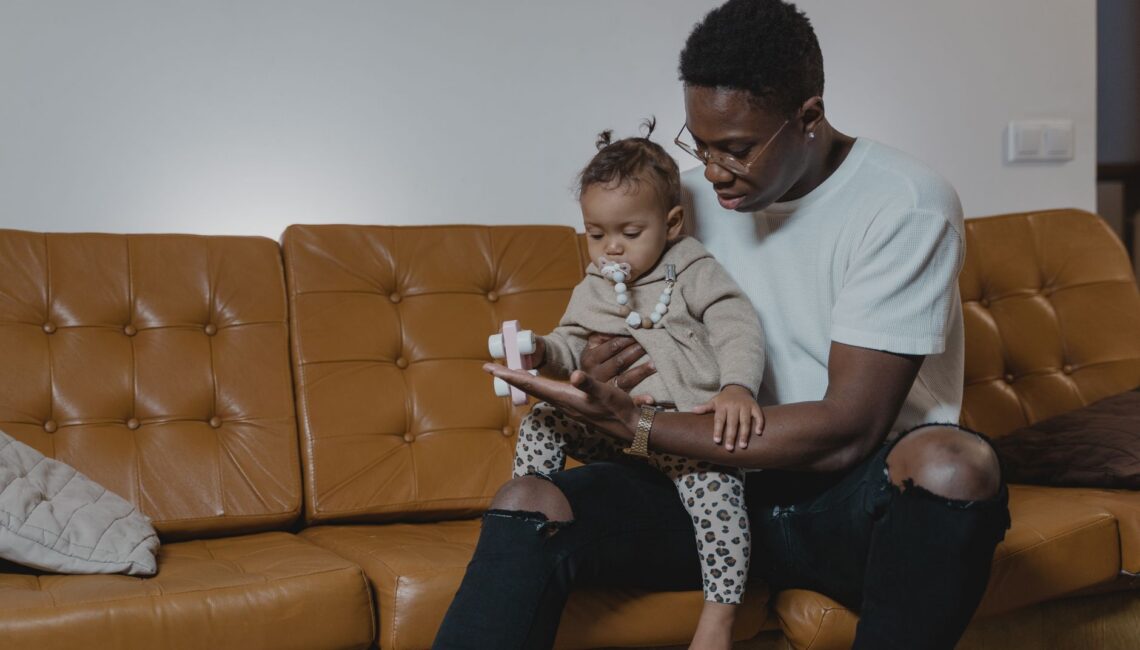
He didn’t scream louder. He blinked, very small and very deliberate, like a boxer coming out of the ropes and suddenly deciding not to throw the next punch. He let go and slid the car into my palm. Not with the sloppy, emotional release of a tantrum conceding; he placed it there, thumb touching my thumb, eyes fixed on my face as if we had just negotiated a treaty. He hadn’t asked for a cookie or empathy or even attention. He’d offered me the car back. It was the quietest surrender I’d ever seen, but it felt like an entire game had been decided in an instant.
Now I’m in a waiting room. Fluorescent light that flatters nothing. Old parenting magazines with headlines about schedules and sleep that make me feel both superior and ashamed. The kiddo sits next to me on the vinyl chair, absorbed in a corner of the room, pressing the car’s windows with his nose. He’s too young to understand appointment etiquette; he understands motion. My chest is still where the argument lodged, like a pebble in a shoe I can’t shake loose.
I keep replaying the exchange like tape-speed footage. The pull, the resistance, the brief surge of annoyance, the small, perfect place where he let go. It’s dumb when you say it out loud: moved by a toy handed back. But that’s the thing about toddlers—everything is small and also absolute. The way he placed the car in my hand felt less like capitulation and more like a lesson. Or maybe a correction. I keep circling the feeling: awe, at the size of his intent and the tiny mechanics of reconciliation.
There’s a part of me trained to see conflict as an opponent. Years in sports taught me to hold the line, to not blink, to capitalize on the nick and the moment. You win possessions, you win games, you protect the rim. Parenting is different. It doesn’t reward the guy who yells loudest. It punishes him, actually—silently, socially, morally. Yet in the moment I had coach instincts: the angle, the move, the takeback. I forgot to think about the human on the other end. He reminded me, by handing me a plastic car like it was a flag.
I think about my dad. He wasn’t cruel, but he was efficient with correction—discipline like a drill, emotion kept to the sidelines. When I fell, he taught me how not to, not always how to feel about falling. Maybe that’s why the handoff stung; it woke something that had been trained into me. I expected surrender to look like a tear or a relent. Instead it looked like an offering. I felt seen and disarmed at once. Those two things don’t usually coexist in a locker room.
In the waiting room, surrounded by the quiet coughs and the soft hum of a vending machine, I watch him methodically push the car’s wheel with a finger. There’s reverence in the small gestures. A crank of a wheel, the tilt of a head. The drama of the pharmacy aisle has been reduced to micro-rituals. My adrenaline settles into curiosity. He is teaching me something with his thumb against my thumb: how to be small and absolute at the same time.
It’s embarrassing how quickly my ego signs on to the idea of control. I am a man who measures progress in reps and KPIs, who keeps a calendar like a playbook. But my son, age two and change, measures the world by whether a car makes the right sound when the wheel is pressed, by whether the cookie crumbs sit in neat constellations. He will consent to a rule if he understands the trade. He will surrender if the exchange feels honest. How many adult negotiations look like that? How often do we trade sentiment for something more durable?
There was a short, stupid instant when I considered making the moment a teachable anecdote—milk it for future discipline, a sterling example of ‘see? small hands, big lessons.’ But the waiting room hush nudged me away from that pedestal. There is no podium in kindergarten. There is only the palm, the plastic car, the quiet geometry of a toddler’s compromise.
I think of the invisible catalog of sacrifices. They are not always the big ones—missing a game or a meeting—but the smaller ones: softening the voice when my first instinct is a whistle; letting a line go so the moment doesn’t calcify into a fight. Those things are quiet. They don’t show up on performance reviews. They don’t get cheers. Maybe that’s why the sight of him returning a toy—so tiny, so deliberate—feels like a medal.
Sometimes I worry I bend too far toward the old playbook. Sometimes I worry I don’t bend enough. Both worries have a grain of truth. In the waiting room, I try not to make the calculations aloud. Instead I study the underside of his chin, the way his lashes cast tiny shadows, the way he gives himself entirely to a task that takes five seconds and a lifetime. There’s a patience in that focus that humbles me. The world narrows to the wheel and the push and the result. That kind of presence is what I chase on training days and client calls; he just lives there.
He looks up, throws me a grin that is half mischief, half invitation, and then drops the car into my lap again. No words, just motion. The surrender has become a rhythm rather than a resolution. I catch myself laughing—soft, almost involuntary—and the sound surprises me because it feels like choosing to be light instead of right.
Outside, the world keeps scoring points in big ways. Inside, in this bland waiting room with its humming lights and its magazines older than our last vacation, I feel like I’m learning the small math of fatherhood: addition in tiny gestures, subtraction in my own stubbornness, multiplication in repeated mercies. No scoreboard, no final buzzer. Just a car, a palm, and the way a toddler can insist on teaching you how to let go.