The last box sat on the edge of the dorm hallway like a stop sign. I could have slid it inside, set it by the twin bed, taped the lid shut, walked away and let him be. Instead I fumbled with the packing tape like it was another rep to grind out, folding corners, smoothing seams, pretending the task kept me from saying anything I might regret.
He was halfway down the hall before I finished. He didn’t turn back. His shoulders—broad now in a way that used to make him look five—moved under a backpack that could double as carry-on. “Bye, Dad,” he said without looking, voice even. No hug, no theatrics. Just an exit line. The roommate tossed him a key; the twin bed had a duvet in some neutral color two adults agreed was ‘not too college-y.’ The whole scene felt professional. We were moving a life as if it were a set of furniture.
I felt a hot, stupid spike of irritation. Not the proud, swelling kind when something went right. A petty, embarrassed annoyance that tightened my jaw. At him for leaving like we were done. At the campus housing system that made the final handshake transactional. At the mom two doors down who sobbed into a sleeve and then called three people to boast about how she’d cried. At myself for wanting to linger, to be needed as long as possible. I resented the way the day reduced me to muscle and a debit card and a string of logistics that now felt pointless.
We loaded the car in silence. My wife drove with her hands steady at ten and two, cataloguing the items left behind—lamp, plant, a stack of books he’d outgrown. I talked about routes and dinner plans because I didn’t know how to be a human being who had to stand still. Back home, the house felt too full of empty corners. The kitchen didn’t know how to behave without a backpack left on a chair. By the time the front door clicked shut and the driveway swallowed the last taillight, I was already on the back porch, because walking out there meant I could be alone with the way my irritation felt like an old habit.
Alone on the back porch, the night folded itself into a familiar, low hum: the neighbor’s sprinkler, the faint growl of a distant freeway, a cricket who’d staked claim to the eaves. I sat on the same bench I’d come to after games, after late work shifts, after small surrendering rituals. The silence wasn’t doing what I wanted it to—I was waiting for the ache to arrive, for a single exquisite pang of loss that would legitimize the irritation. It didn’t show up on cue. Instead I had this brusque, chapped feeling, like the skin of my pride had been sanded.
Why did I feel annoyed? Because he left without a scene? Because he grew into a person who didn’t need me right then? Because years of doing the invisible things—alarms set at 6 a.m., a cold hand on a fevered forehead, the quiet negotiations about bedtime that no one wrote about—felt unread? The rational side of me knew all those things are wins: mission accomplished. The irrational, louder side ground teeth. It’s funny how the same milestone can be both coronation and erasure. You hand someone a map and they’re out of sight; you’re proud of the map and also furious the map doesn’t have your name in the margin anymore.
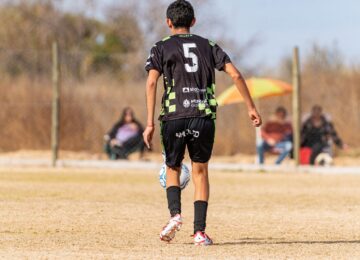
Part of the irritation was athletic, old habit surfacing. I trained to finish strong, to be the last man standing. In sports, you want to be on the field when the clock hits zero. You want the medal around your neck, the handshake with the coach, the camera to catch your chest heaving with the effort. Fatherhood taught me to value different finishes—quiet check-ins, phone calls, showing up for math tests and recitals—but the muscle memory doesn’t disappear overnight. So when the handoff came and he didn’t look back, a part of me felt cheated out of the endgame celebration I thought I deserved. Ridiculous, right? I was angry because I thought I hadn’t gotten the final clap.
On the porch the memories stacked up. I remembered the first time he slept through the night and I walked into his room like I’d discovered a secret. I remembered the high school games where I argued with a ref and then sat afterward while he steadied both of us with a look that said, calm down. I remembered nights spent rehearsing ‘tough love’ lines and mornings when I softened them into something kinder. All of it—years of mundane steadfastness—feels like training. But tonight the scoreboard was blank. No stats tracked the trips, the snacks packed, the patience spent. The final play had a weird, administrative wrap-up; the victory felt private and poorly marked.
I also realized I was slightly ashamed of my irritation. It’s petty to be cross with your kid for being an adult. It’s embarrassingly small to be miffed at a system that assigns move-in times and a roommate who needs eight hours to fold linens. Grown children depart; it’s the point. But the irritation was also a map to a deeper place: fear. Fear that I was sliding sideways into a season with fewer defined roles. Fear that my usefulness was diminishing. When you spend years being necessary, absence can feel like a demotion. And demotion is humiliating in a way that makes you angry at the wrong people.
There was, too, a strange tenderness hidden under the annoyance. Thinking back on his quick, efficient goodbye—no dramatic tears, no overplayed assurance—felt like watching someone run the last segment of a relay with calm focus. He’d practiced his own version of adulting in small increments and suddenly here he was, competent and quiet. That should have been purely joyful. Instead it arrived wrapped in an ugly wrapper I hadn’t wanted to see on myself: competitiveness turned inward. I wanted to be the guy who was above being upset by this. But I wasn’t. I was the guy who wanted one more hug or one last dumb joke to land. I wanted to be the ongoing project, not the retired coach.
On the porch I breathed until the irritation softened into something more honest: a mix of pride, relief, and a little grief at the abrupt unclenching. There was no tidy end, no final whistle that summed the season up neatly. Just this prolonged halftime where the roster changes and you have to find a new way to show up. I reminded myself that practice builds capacity; letting go is another kind of training. It felt like stretching a muscle I hadn’t used in years—awkward, stiff, necessary.
I got up, shuffled inside, made a pot of coffee because for some reason caffeine organizes my thinking. He will call in a few days. He will text from an all-night library session or a weathered quad with his earbuds in. He’ll need a package of socks or a box of cereal and I’ll feel useful again, briefly and perfectly. The irritation will come back sometimes—like an old injury when the weather changes—but it won’t be the whole story. Still, for now, I let it sit on the back porch like a visitor who overstayed: annoying, instructive, and oddly familiar.
There’s no neat ending because there rarely is. Just a man on a bench, a stack of empty boxes in the garage, and the complicated, stubborn work of learning how to be present when presence looks different than it used to.